 Coexistence
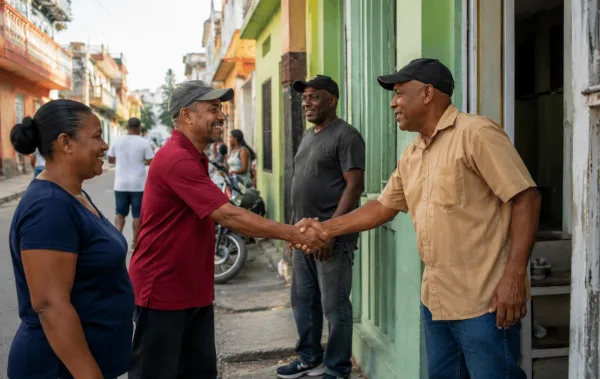
Greeting and conversation
In homes, shops and public spaces, greeting people is a sign of respect. A simple good morning or hello opens doors, builds trust and reflects Dominican warmth.
A journey through how Dominicans greet, share, celebrate, dance, talk, play dominoes and keep popular stories alive.
Talking about Dominican customs means talking about human warmth: greeting people, offering coffee, speaking with humor, dancing naturally and turning any gathering into community.
Dominican folklore brings together Taino, African and European heritage expressed through music, gastronomy, crafts, popular beliefs, carnival, patron saint festivities and everyday language. This page organizes those traits from a tourism and cultural perspective, connecting tradition, coexistence and national pride.
Small daily gestures that explain why the country feels warm, conversational and familiar.
Coexistence
In homes, shops and public spaces, greeting people is a sign of respect. A simple good morning or hello opens doors, builds trust and reflects Dominican warmth.
 Neighborhood
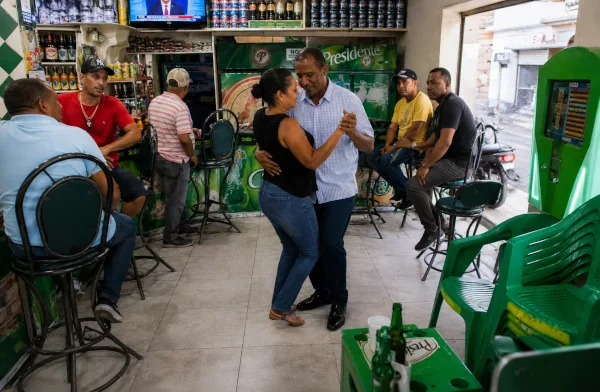
The colmado is not only a store: it is a place for conversation, music, neighborhood news, quick shopping and spontaneous encounters among neighbors.
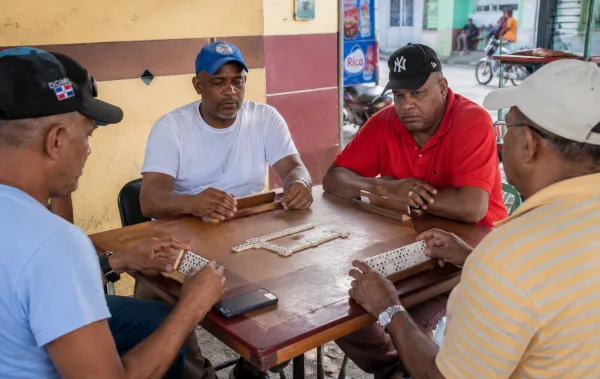 Tradition
Dominoes are a classic scene in neighborhoods, countryside communities, beaches and family gatherings. More than a game, it is conversation, strategy, humor and belonging.
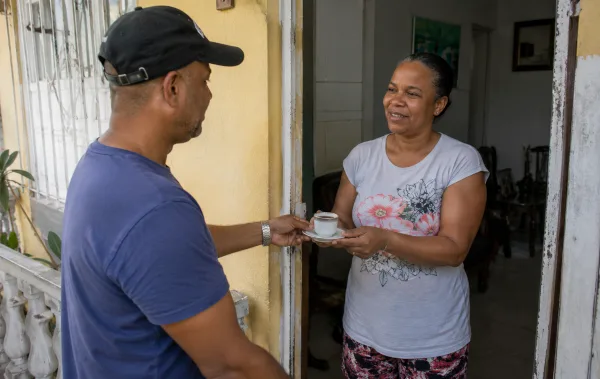 Family
In many Dominican homes, receiving someone means offering coffee, juice, food or a snack. It is an everyday sign of hospitality.
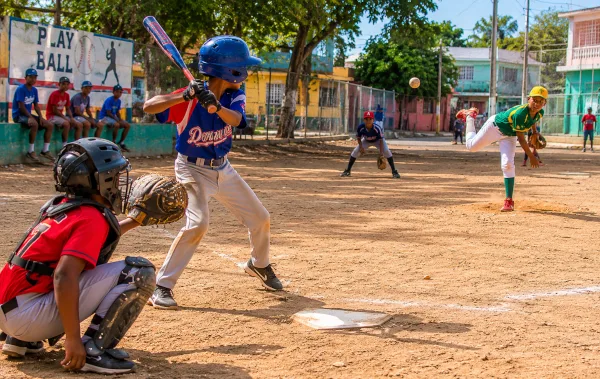 Passion
Baseball, popularly called pelota, is lived in stadiums, streets, yards and academies. It is sport, family aspiration and national conversation.
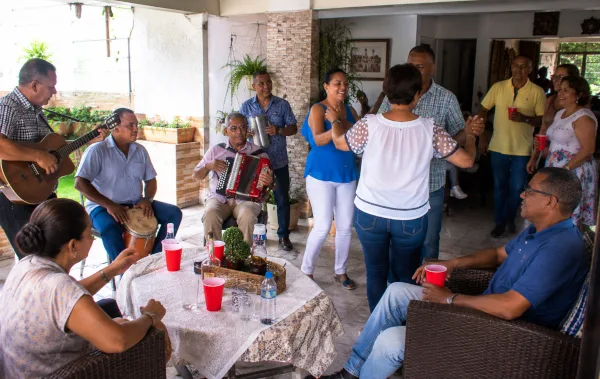 Celebration
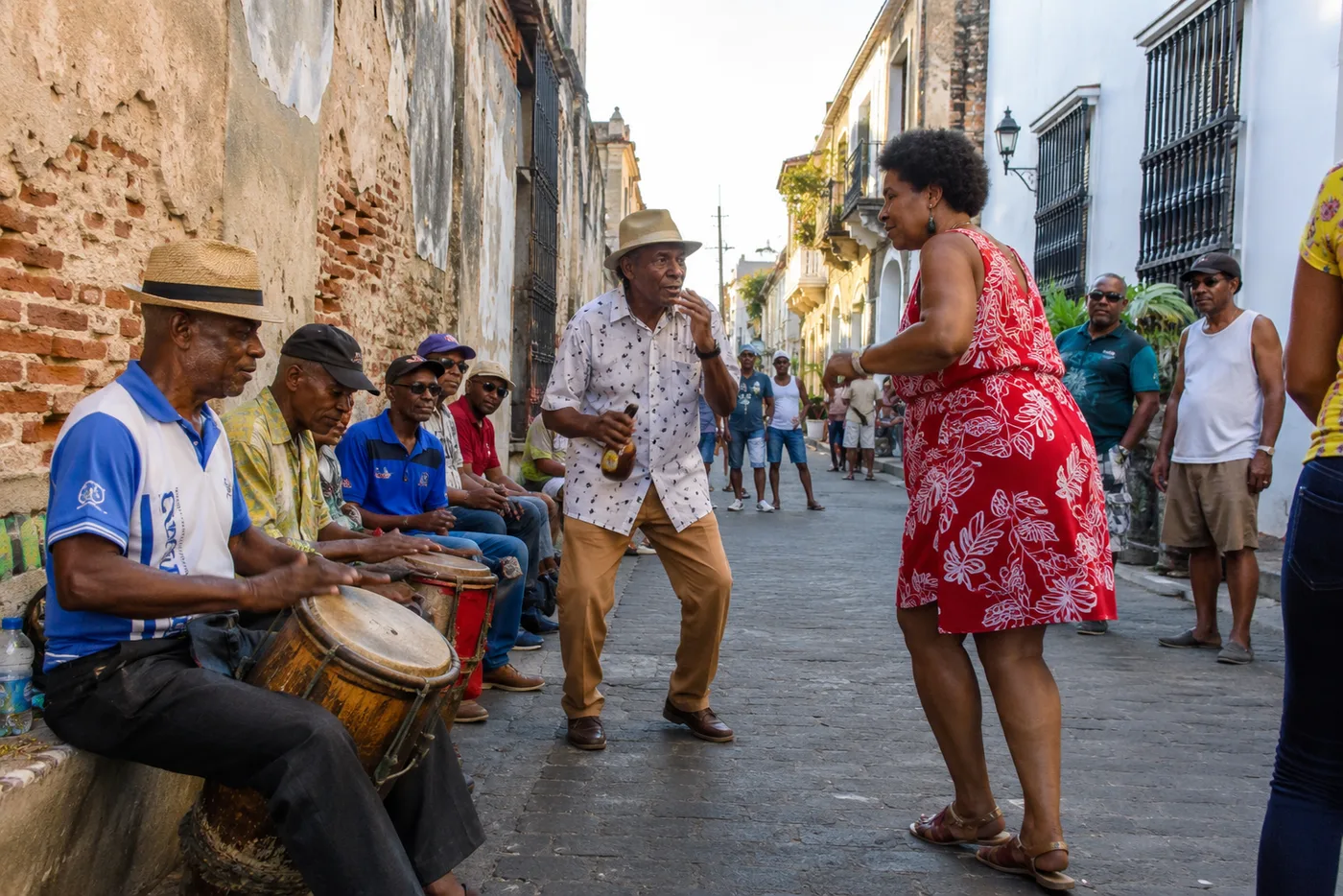
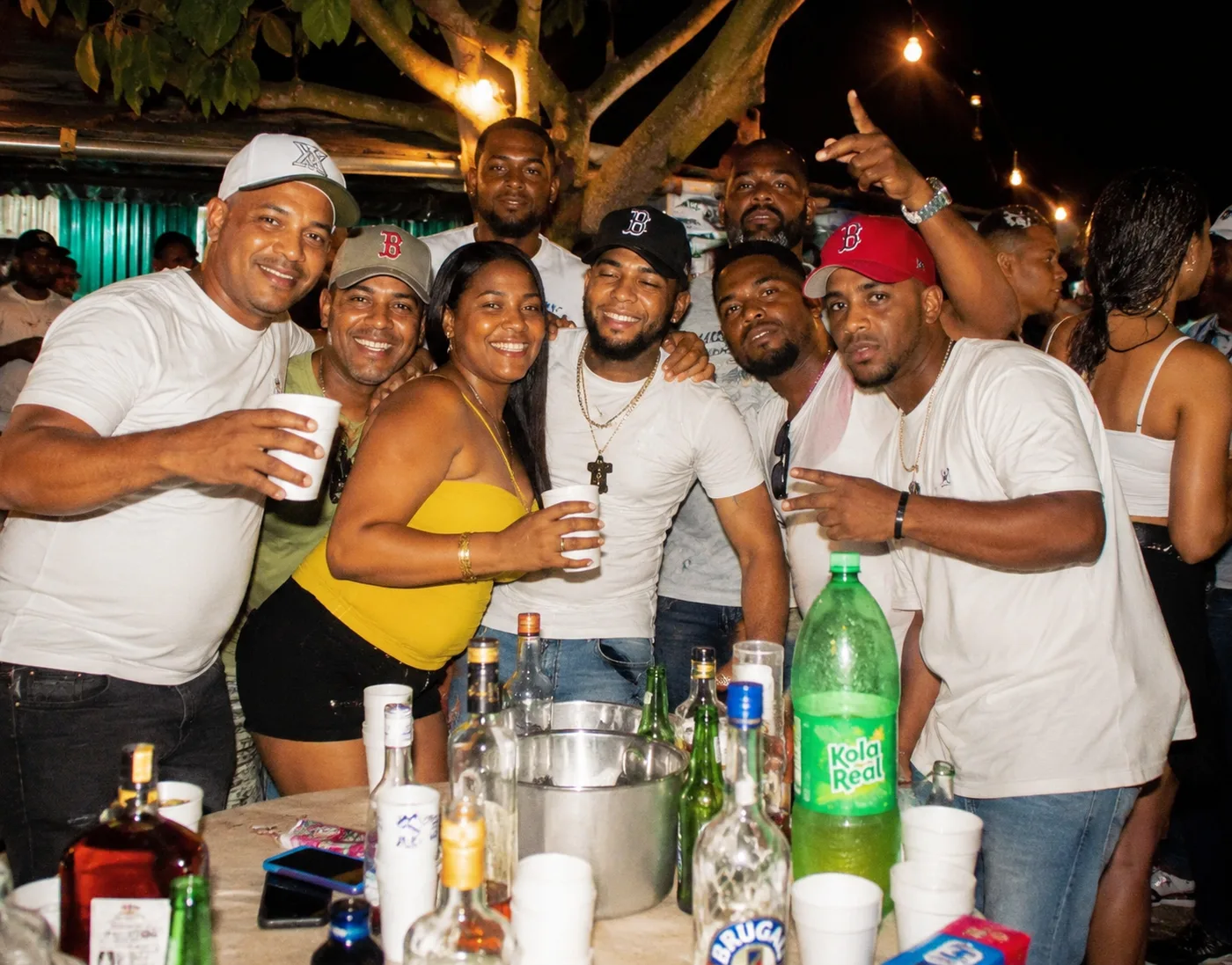
Birthdays, visits, patron saint festivities, beach days or family Sundays: music often turns the gathering into dancing, singing and shared joy.
Merengue, bachata, carnival and community festivities are part of collective memory and the Dominican way of celebrating life.
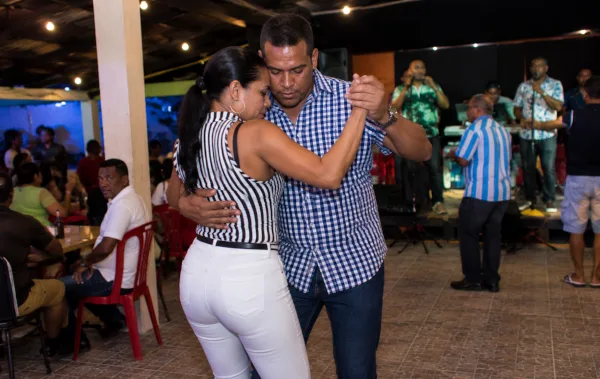
Merengue is one of the most recognizable expressions of Dominican identity. Its energy comes from instruments such as the güira, tambora and accordion, and it is lived at parties, stages and family gatherings.
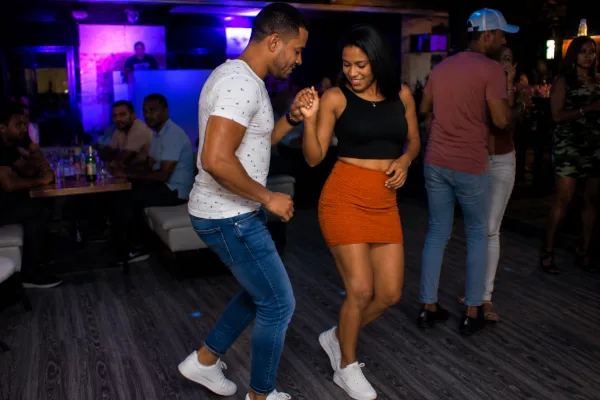
Bachata expresses romance, nostalgia, neighborhood life and popular sensitivity. It went from marginalized music to one of the most international Dominican cultural marks.
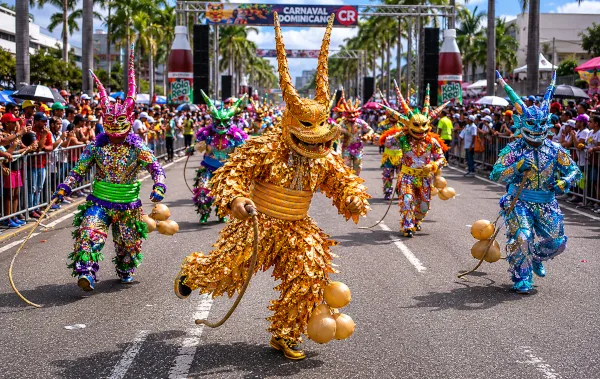
Every February, towns and cities celebrate with groups, masks, music and popular characters. Diablo Cojuelo, Roba la Gallina, Califé and other characters show satire, history and creativity.
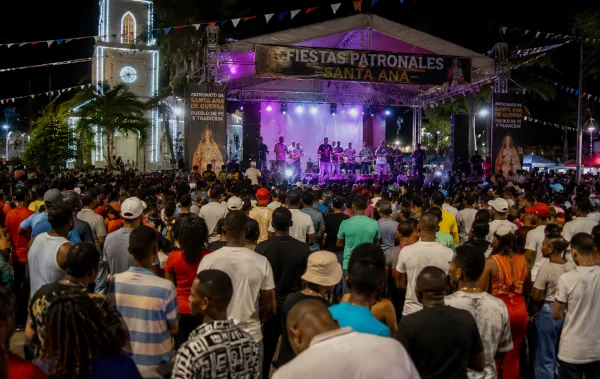
Patron saint festivities mix devotion, music, food, games, family gatherings and local commerce. They are a perfect window into the culture of each province and municipality.
Stories passed down from generation to generation: some are born in the countryside, others on roads, rivers, mountains and urban neighborhoods.
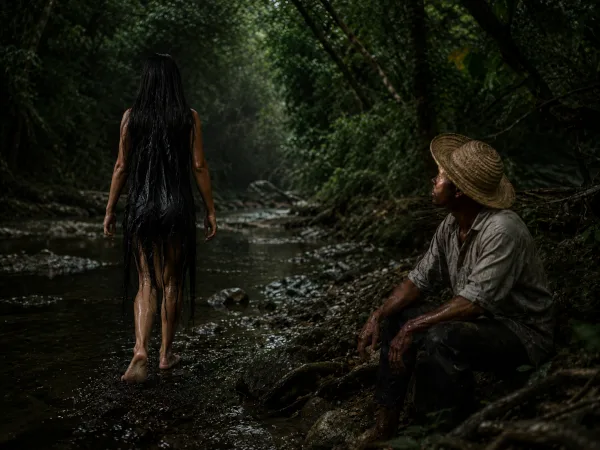
Female figure from Dominican oral tradition, described with long hair and backward feet. Her footprints confuse anyone trying to follow her, and her story is linked to mountains, rivers and remote paths.
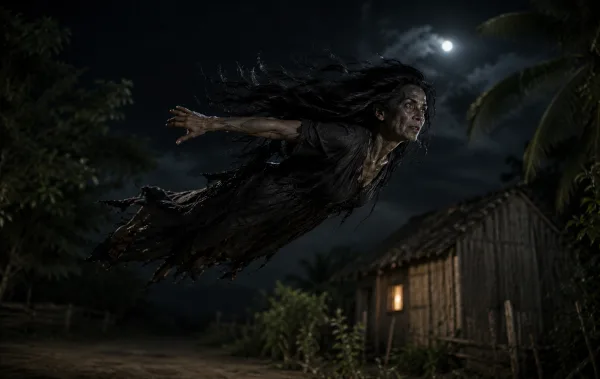
In different rural areas, people tell stories of women who fly at night, transform into birds and frighten families. These tales explain fears, protect children and reinforce community norms.
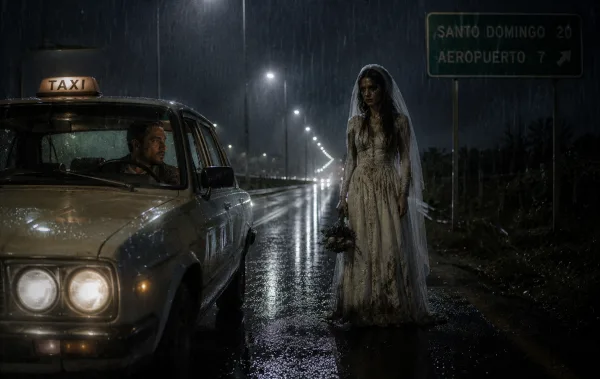
A ghostly bride appears on rainy nights near the highway. The story keeps classic urban legend elements: accident, apparition, taxi driver, returned object and unresolved mystery.
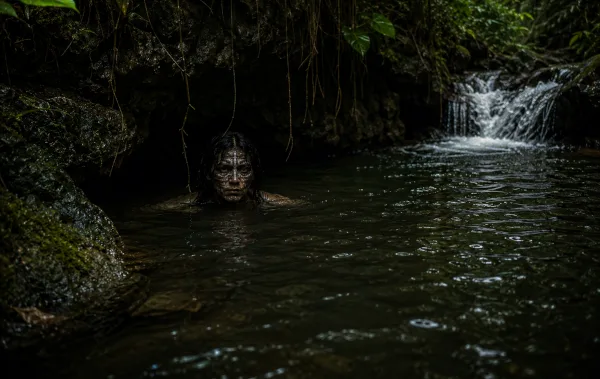
Stories about beings that inhabit deep pools, caves and mysterious waters. They work as warnings for children, magical explanations of the landscape and echoes of Indigenous memory in popular oral tradition.
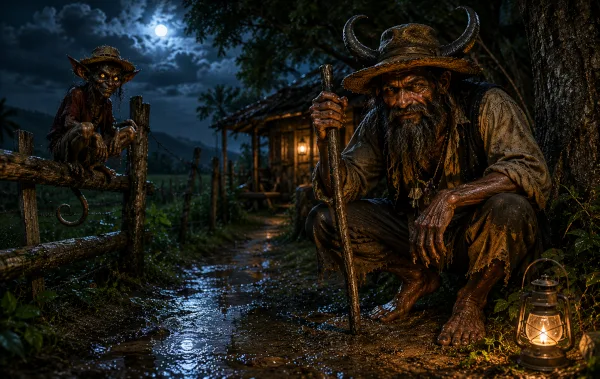
In Dominican countryside communities, people speak of beings linked to pacts, transformations and protection of property. These legends combine fear, respect for the unknown and community moral codes.
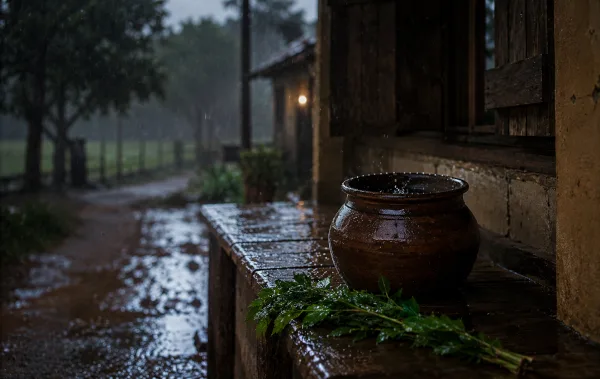
May rain appears in popular memory as water with special properties. In some homes it is preserved as a symbolic tradition associated with cleansing, health and renewal.
Dominicans have an expressive, fast and creative way of speaking. Many phrases change by region, context and tone, but they almost always carry humor, wit and closeness.
Informal greeting among friends or acquaintances.
Used when someone needs guidance or information.
Short, relaxed answer to accept something.
Very common when asking for or describing small quantities.
Can be ambiguous: it depends heavily on tone and situation.
Positive expression used to value something or someone.
Widely used in gatherings, work, neighborhoods and family settings.
Colloquial phrase used with trust or humor.
Dominican joy does not mean absence of difficulty: it is a social attitude shaped by music, family, humor, faith, neighborhood solidarity and the ability to celebrate everyday life.
Dominicans often rely on family, neighbors and friends. That social network turns many difficult moments into shared experiences.
Jokes, quick wit and playful teasing soften tension, open conversations and create closeness even among strangers.
Music accompanies work, rest, transportation, colmados and celebrations. It is a daily soundtrack that drives movement and energy.
A coffee, a visit, a domino game, a nearby beach or a shared plate of food can become enough reason to celebrate.
Selected videos to complement the content with music, dance and carnival.
Rhythm, dance and popular energy.
A visual look at Dominican movement.
Color, parade groups and popular characters.
Share it with the community and help document Dominican culture from the perspective of those who live it every day.