Origins and main influences
Gastronomy in the Dominican Republic began taking shape during colonization, when peoples with different customs and traditions met, including culinary traditions. Spanish and Taino practices came together first; shortly after, African influence arrived through enslaved people brought to the island by the Spanish, further enriching the country food and culture.
The Taino legacy
When the Spanish arrived in Hispaniola in 1492, the island was inhabited by the Taino, who hunted, fished and gathered fruits. Their diet included casabe, made from grated cassava, which the Spanish adopted as a substitute for bread. This is where the saying “A falta de pan, casabe” comes from. They also consumed corn, peanuts, sweet potato, cornmeal dumplings and drinks such as mabi de bejuco.
African and Cocolo contributions
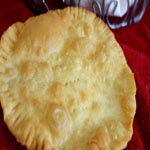
African heritage contributed ingredients such as yam, okra and pigeon peas. Around sugar mills, molasses was used to prepare sweets, fritters and recipes tied to sugarcane. Black immigrants from the United States also made important contributions in Samana and San Pedro de Macoris, including Johnny Cake or yanikeke, dumplings, fungi, ginger bread, conconete and drinks such as guavaberry.
Spanish cuisine and other cultures
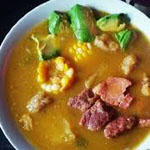
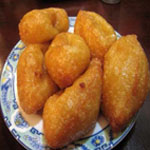
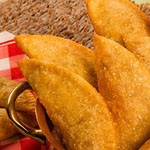
The main contributors to Dominican cooking were the Spanish and Africans. Spain brought techniques, ingredients and preparations linked to broths, stews and soups. Rice, lettuce, culantro, mint and chamomile were also incorporated. Over time, Dominican cuisine received French, Chinese, Arab, Italian, American and Japanese influences, among others. A clear example is quipe, of Arab origin, adapted to Dominican taste in its fried version.
Regional identity and tourism
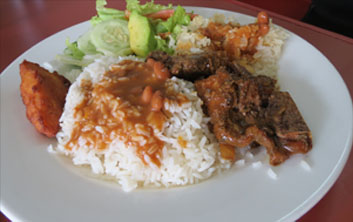
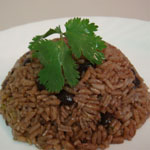
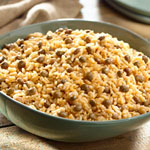
The Dominican Republic has a broad gastronomic history. Distinctive regional dishes emerged depending on where different immigrant groups settled. In the northeast, especially Samana, coconut is commonly used in cooking. For today visitors, destination flavors create a deeper relationship with the place visited and make gastronomy a fundamental part of the tourism experience.
Gastronomy as a country brand
Today visitors look not only for beaches, mountains or monuments; they also want to discover the flavors of the country they visit. For this reason, institutions and projects connected to Dominican flavors have promoted the preservation and visibility of local cuisine. The goal is to take Dominican gastronomy to the next level, integrating it into hotels, experiences and tourism routes as part of the country brand.