Dominican history
From Quisqueya to the modern Dominican Republic
A journey through Indigenous peoples, the first permanent European city in the Americas, independence, the Restoration, democratic struggles and recent governments that have shaped the country's path.
Historical timeline
Moments that shaped the Dominican nation
A chronological, visual and accessible reading of the processes that explain the origin, identity and political evolution of the Dominican Republic.
1
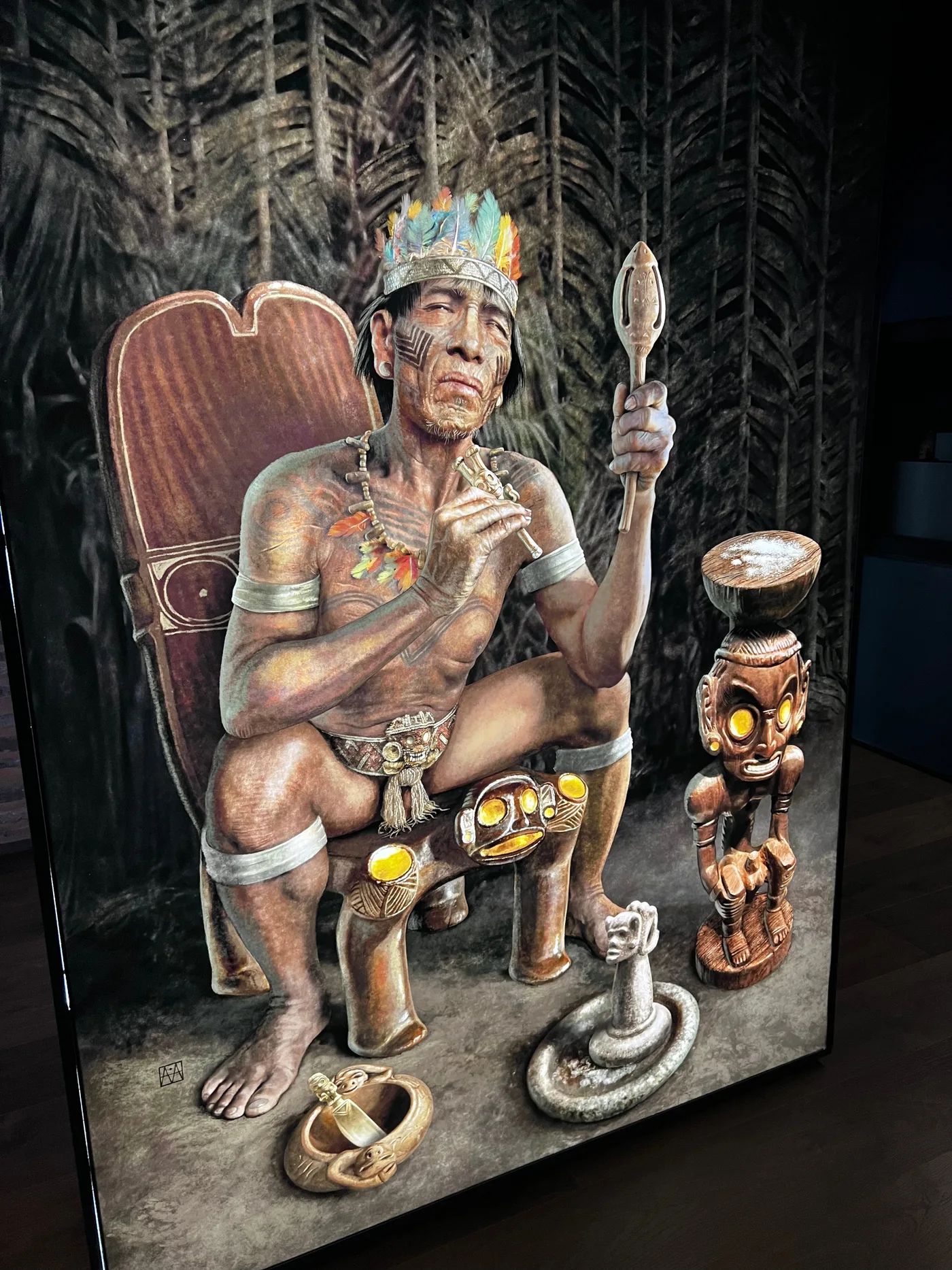 Taino culture, chiefdoms and Indigenous legacy.
The Taino and the island of Quisqueya
Taino culture shaped much of the island's social, agricultural and spiritual life before European arrival.
Before European contact, the island belonged to a wider Antillean world. The Taino, of Arawak origin, developed farming communities, exchange networks, ceremonial practices and a political organization based on chiefdoms.
Dominican historical tradition preserves the names Quisqueya and Ayiti for the island, as well as the chiefdoms of Marien, Magua, Maguana, Jaragua and Higuey. Their memory remains alive in words, foods, geography, crafts and cultural symbols.
2
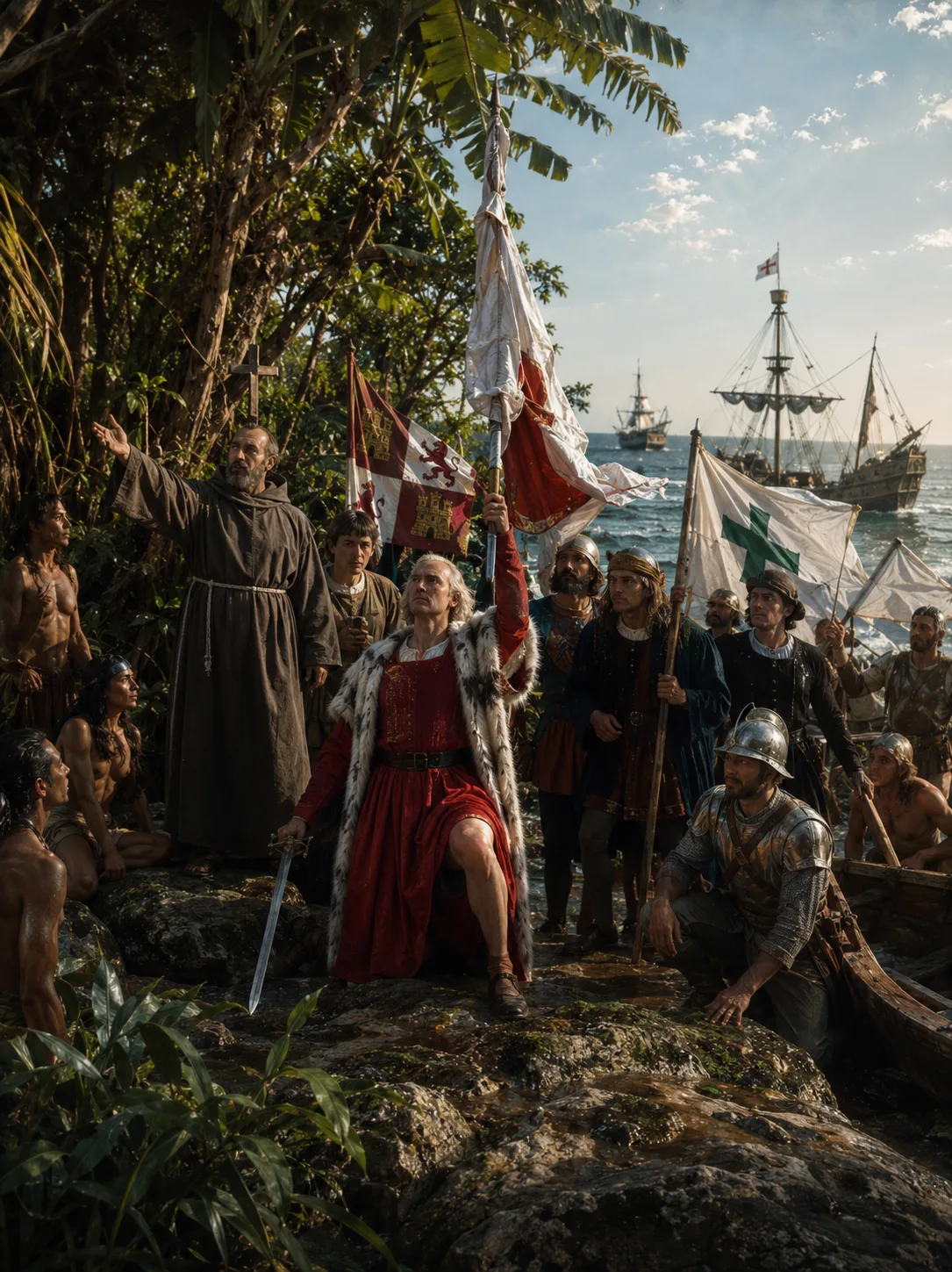 Hispaniola was central to the first European colonial cycle in the Americas.
Columbus arrives and Santo Domingo is born
Hispaniola became a starting point for European expansion in the Americas, and Santo Domingo became the first city of the New World.
On December 5, 1492, Christopher Columbus reached the island and named it Hispaniola. In the following decades, settlements, colonial institutions and maritime routes connected the Caribbean with the rest of the continent.
Santo Domingo became a political, religious and administrative center. Today's Colonial City preserves the heritage value of that period: it was a point of departure for expeditions, trade, evangelization, architecture and colonial power.
3
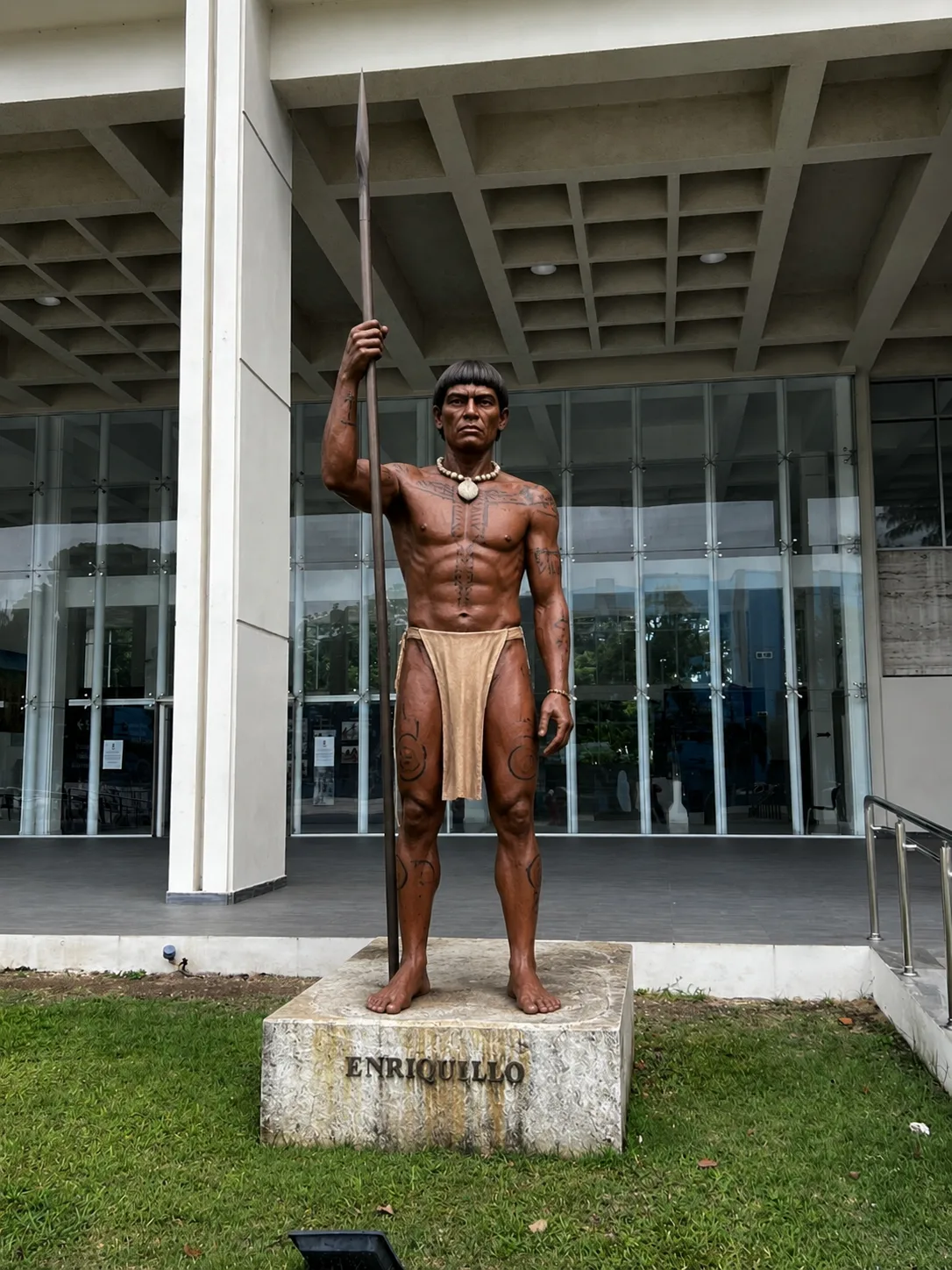 Enriquillo represents one of the Caribbean's most remembered Indigenous resistances.
Indigenous resistance, Enriquillo and the forced arrival of Africans
The colonial model produced exploitation, rebellions and a deep demographic and cultural transformation.
The encomienda system, forced labor and disease severely affected the Indigenous population. Enriquillo's resistance from the Bahoruco mountains became a symbol of dignity against colonial domination.
The forced arrival of enslaved Africans transformed the island's economy and social composition. Sugar mills, maroon communities and rebellions began an Afro-Dominican legacy essential to understanding national culture.
4
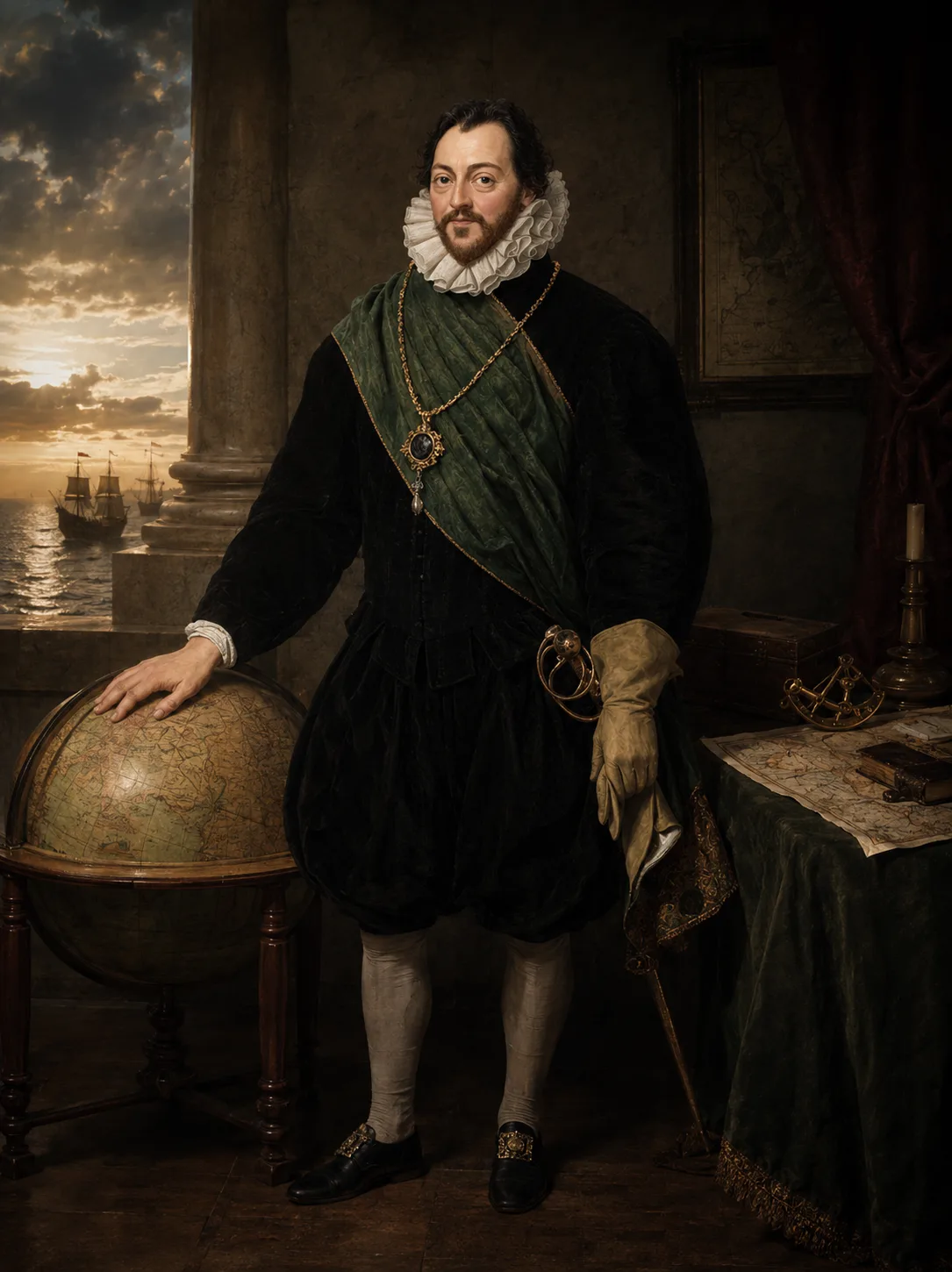 Santo Domingo was attacked by Francis Drake in 1586.
Piracy, Osorio's Devastations, Ryswick and French rule
The eastern side of the island went through depopulation, economic crisis and disputes among European powers.
In 1586 Francis Drake occupied Santo Domingo, showing the colony's vulnerability to corsairs and rival powers. Osorio's Devastations of 1605-1606 worsened depopulation in the north and west of the island.
The Treaty of Ryswick in 1697 recognized French control over the western side, origin of French Saint-Domingue. Later, the Haitian Revolution, European treaties and the Battle of Palo Hincado again changed political control of the island.
5
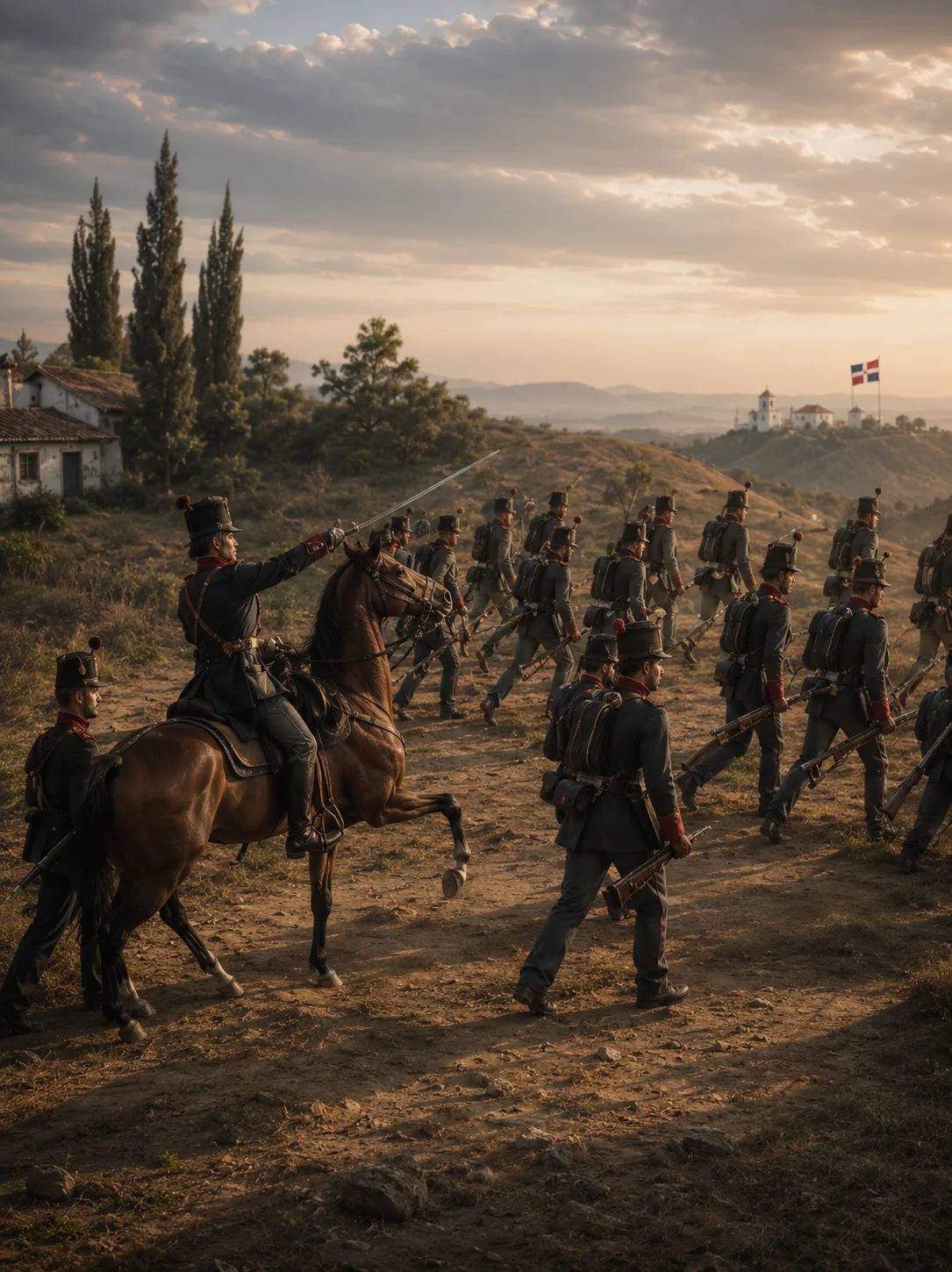 The 1821-1844 period prepared the birth of the Dominican Republic.
From Jose Nunez de Caceres to 22 years of Haitian occupation
The independence project of 1821 was brief, but it opened the way toward Dominican political consciousness.
In 1821 Jose Nunez de Caceres proclaimed the so-called Ephemeral Independence, an attempt to separate Santo Domingo from Spanish rule. The project did not consolidate, and in 1822 Jean-Pierre Boyer occupied the eastern side of the island.
The Haitian occupation formally abolished slavery in the east, but also generated political, economic, religious and cultural tensions. In that context, the movements that culminated in Dominican independence emerged.
6
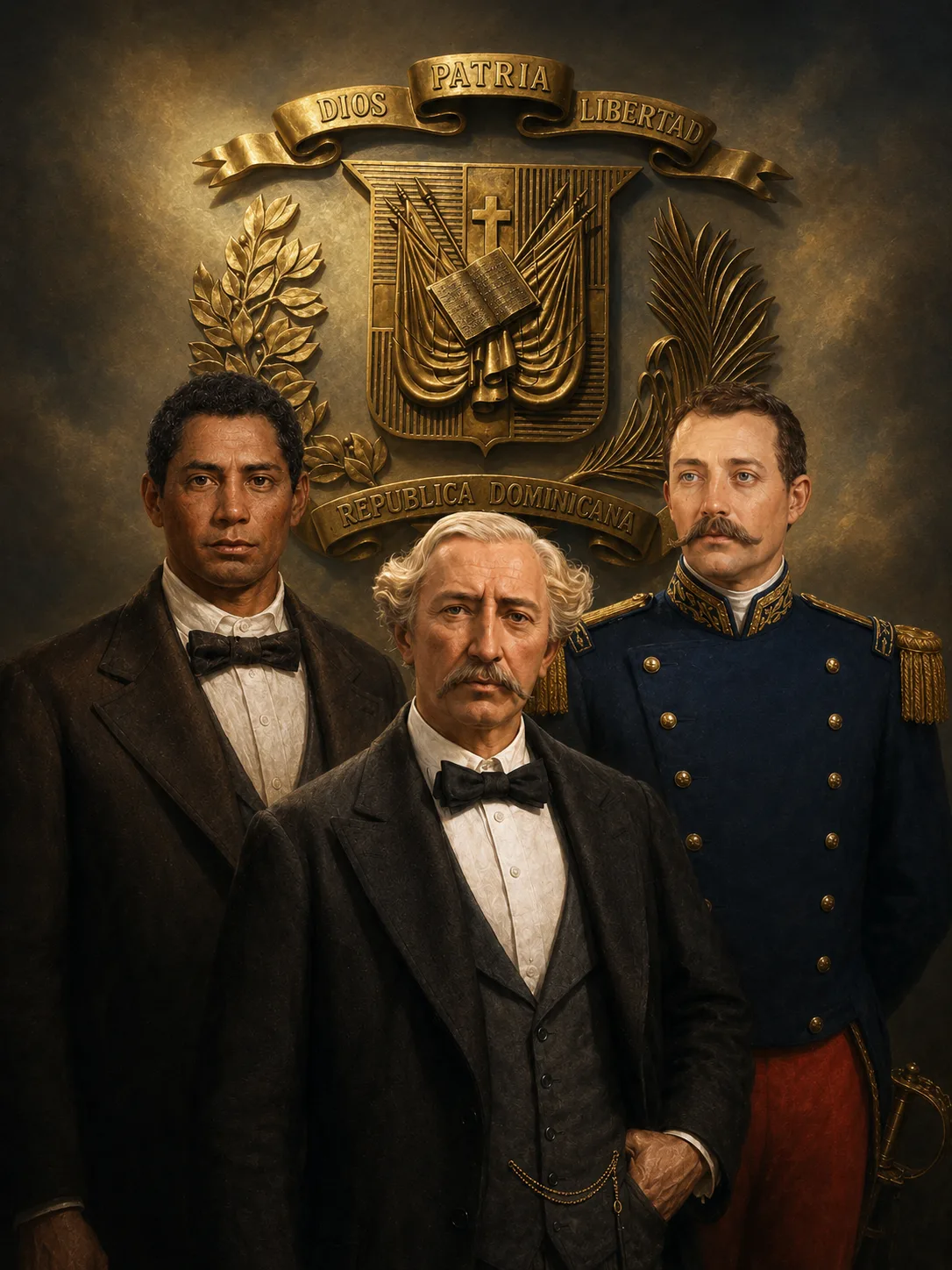 The 1844 proclamation marks the birth of the Dominican Republic.
National Independence and the First Republic
Duarte, Sanchez, Mella and La Trinitaria pushed the separation from Haiti and the birth of the Dominican state.
Dominican independence was proclaimed on February 27, 1844. La Trinitaria, founded by Juan Pablo Duarte, shaped a national project that also included decisive figures such as Francisco del Rosario Sanchez, Matias Ramon Mella, Concepcion Bona and Maria Trinidad Sanchez.
The young Republic had to defend its sovereignty against new Haitian campaigns while building institutions, a constitution, national symbols and political authority amid regional tensions and caudillo leadership.
7
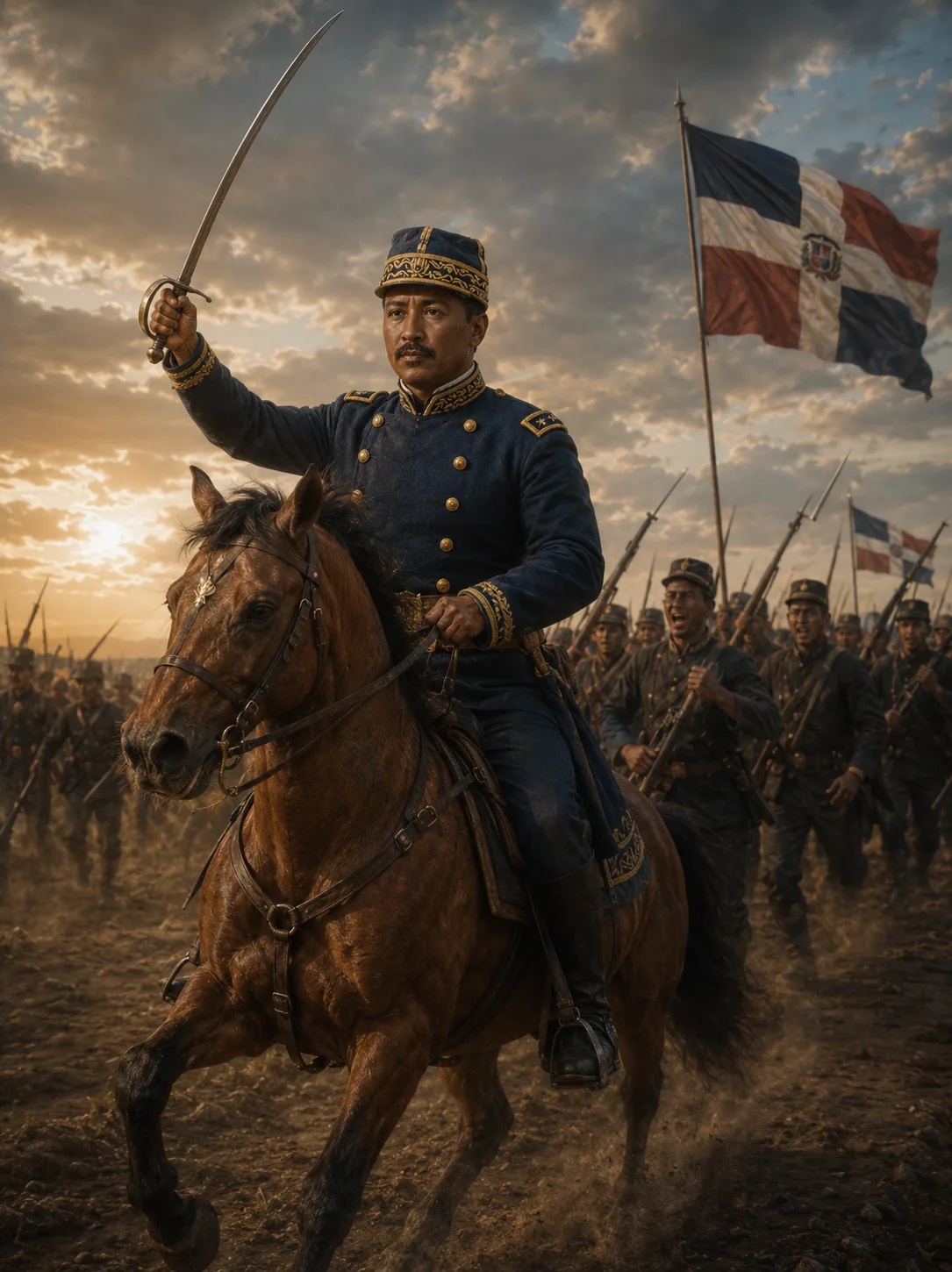 The Cry of Capotillo in 1863 opened the Restoration struggle.
Annexation to Spain and the Restoration War
The Restoration returned sovereignty to the country and reaffirmed the national will against foreign domination.
In 1861 Pedro Santana promoted the annexation of the Dominican Republic to Spain. The measure generated resistance in several regions, especially in the Cibao and the northern border.
The Restoration War began on August 16, 1863. The struggle ended in 1865 with the Spanish withdrawal and consolidated a second independence deeply tied to Dominican national pride.
8
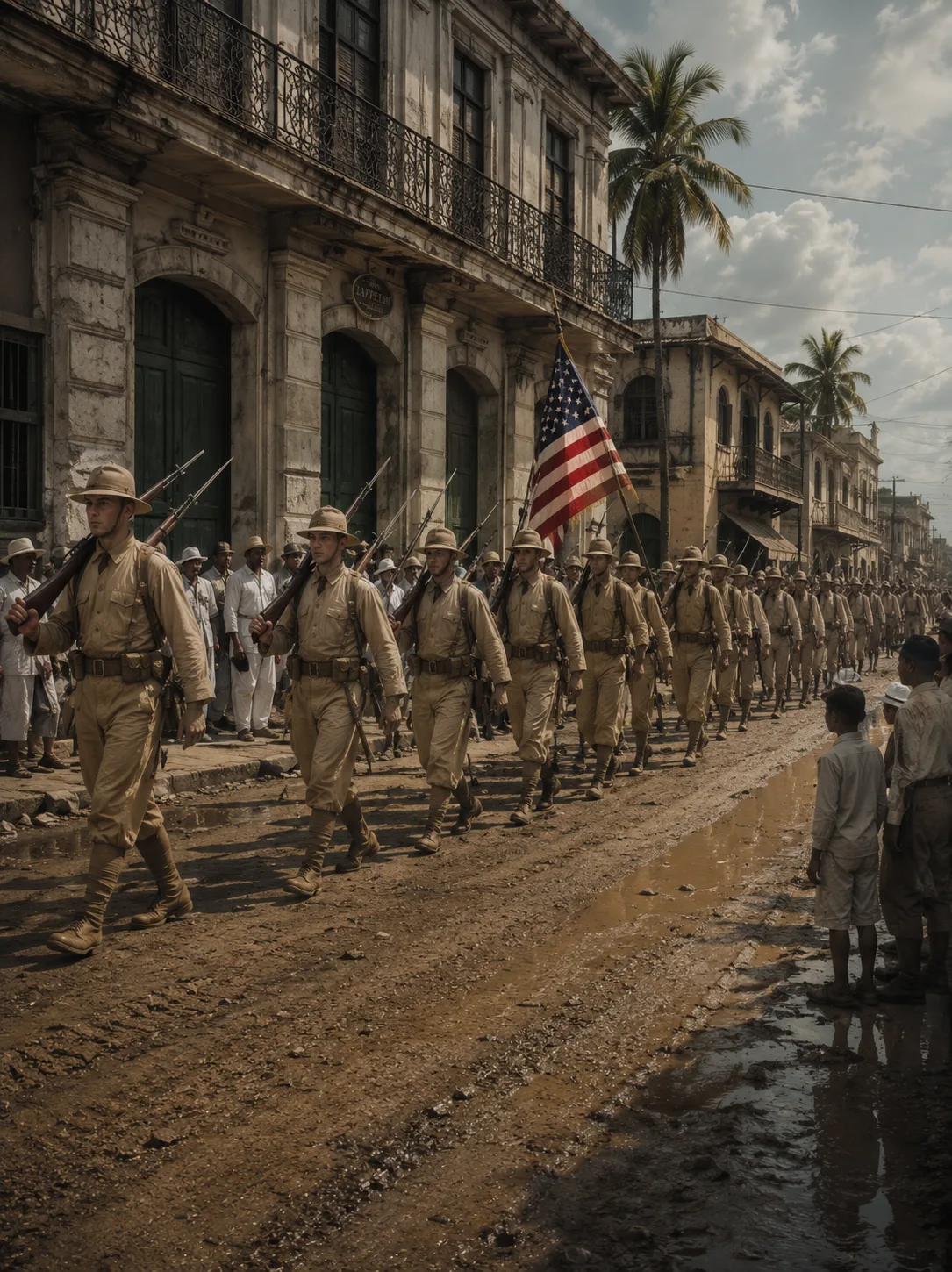 The 1916-1924 occupation reshaped institutions, finances and infrastructure.
Second Republic, uneven modernization and U.S. occupation
After the Restoration, the country experienced political instability, debt, sugar expansion and foreign military intervention.
After the Restoration, Dominican politics were marked by caudillos, regional conflicts, debt crises and negotiations with foreign powers. The economy became increasingly tied to sugar, tobacco and outside investment.
The U.S. military occupation from 1916 to 1924 reorganized institutions, public finances and the armed forces. Its legacy was contradictory: administrative modernization and infrastructure, but also loss of sovereignty and nationalist resistance.
9
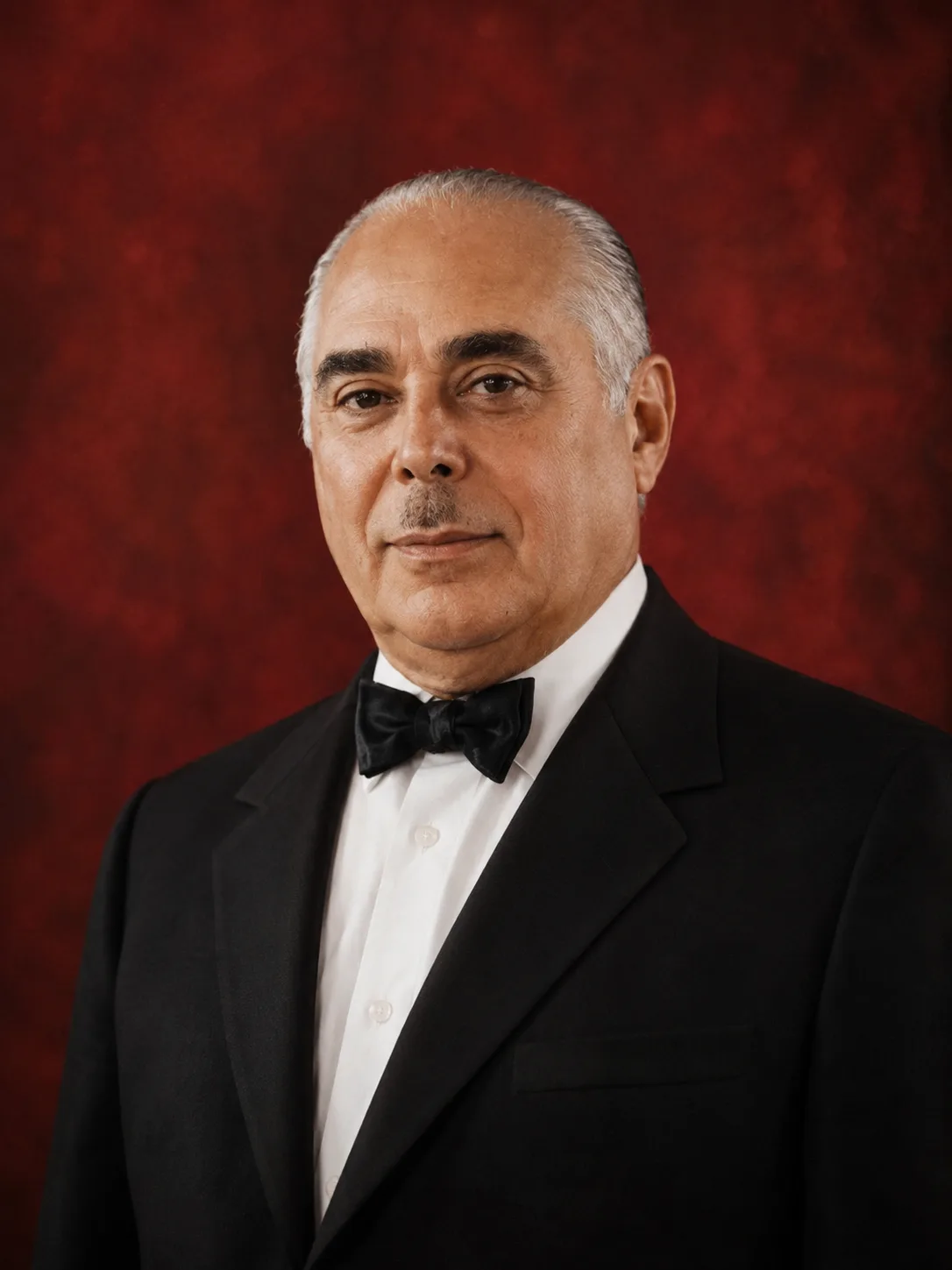 Trujillo ruled directly and indirectly until his assassination in 1961.
The Trujillo Era
Rafael Leonidas Trujillo established a dictatorship of absolute control, personality cult, repression and economic concentration.
Rafael Leonidas Trujillo came to power in 1930 and built a dictatorship based on military control, surveillance, censorship, political repression and a cult of personality.
His regime promoted public works and some state centralization, but under a system of fear, family monopolies, human rights abuses and political violence. His death in 1961 opened a complex transition.
10
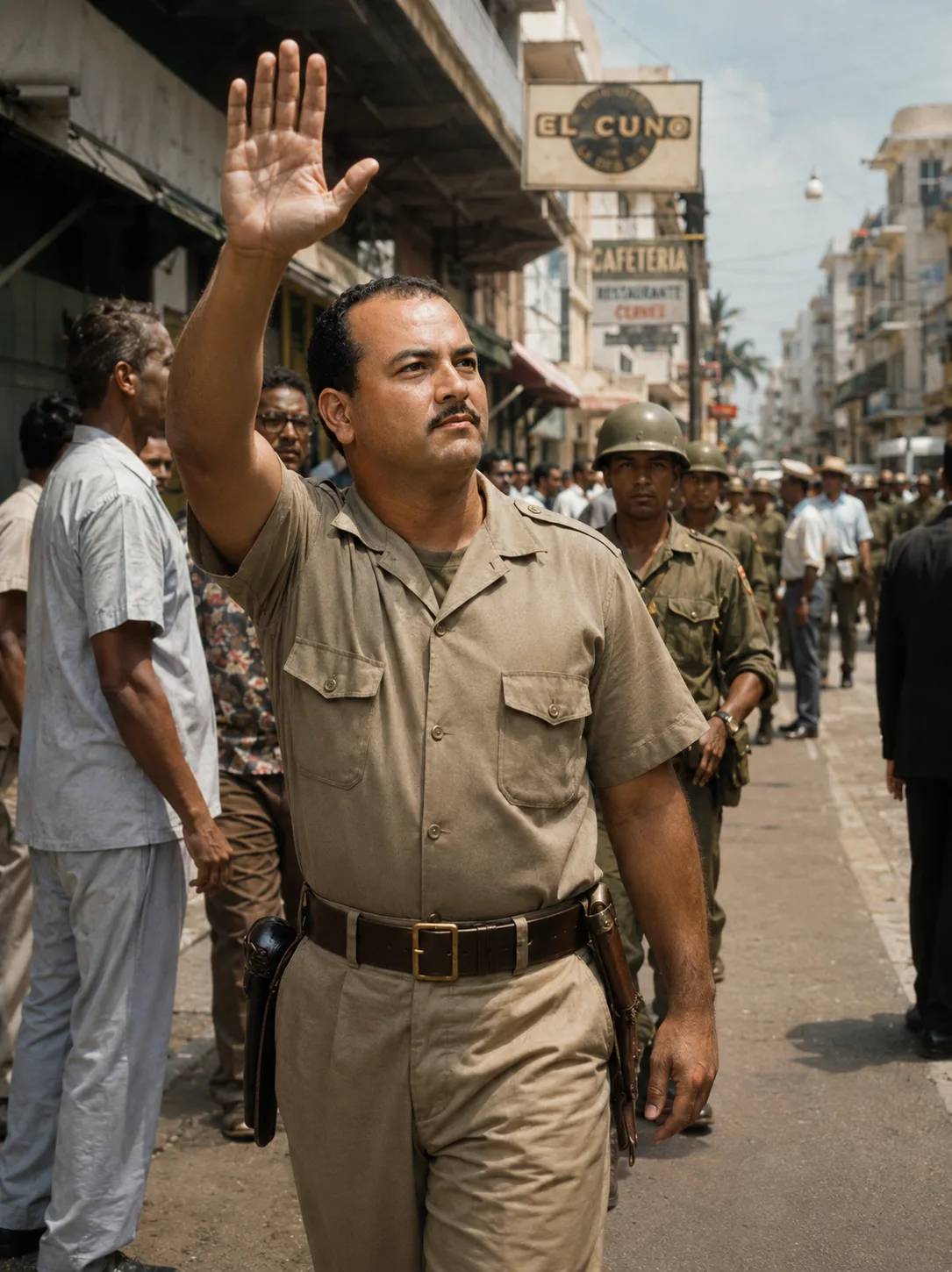 The April Revolution demanded a return to constitutional order.
Juan Bosch, coup d'etat and April Revolution
The fall of the dictatorship led to a fragile democracy interrupted by a coup, civil war and foreign intervention.
Juan Bosch was elected in 1962 and took office in 1963 with a modernizing constitutional proposal. His government was overthrown only months later, creating a deep institutional crisis.
In April 1965, a civil war broke out between constitutionalists and sectors opposed to Bosch's return. The U.S. intervention and the later provisional government opened the way to the 1966 elections.
11
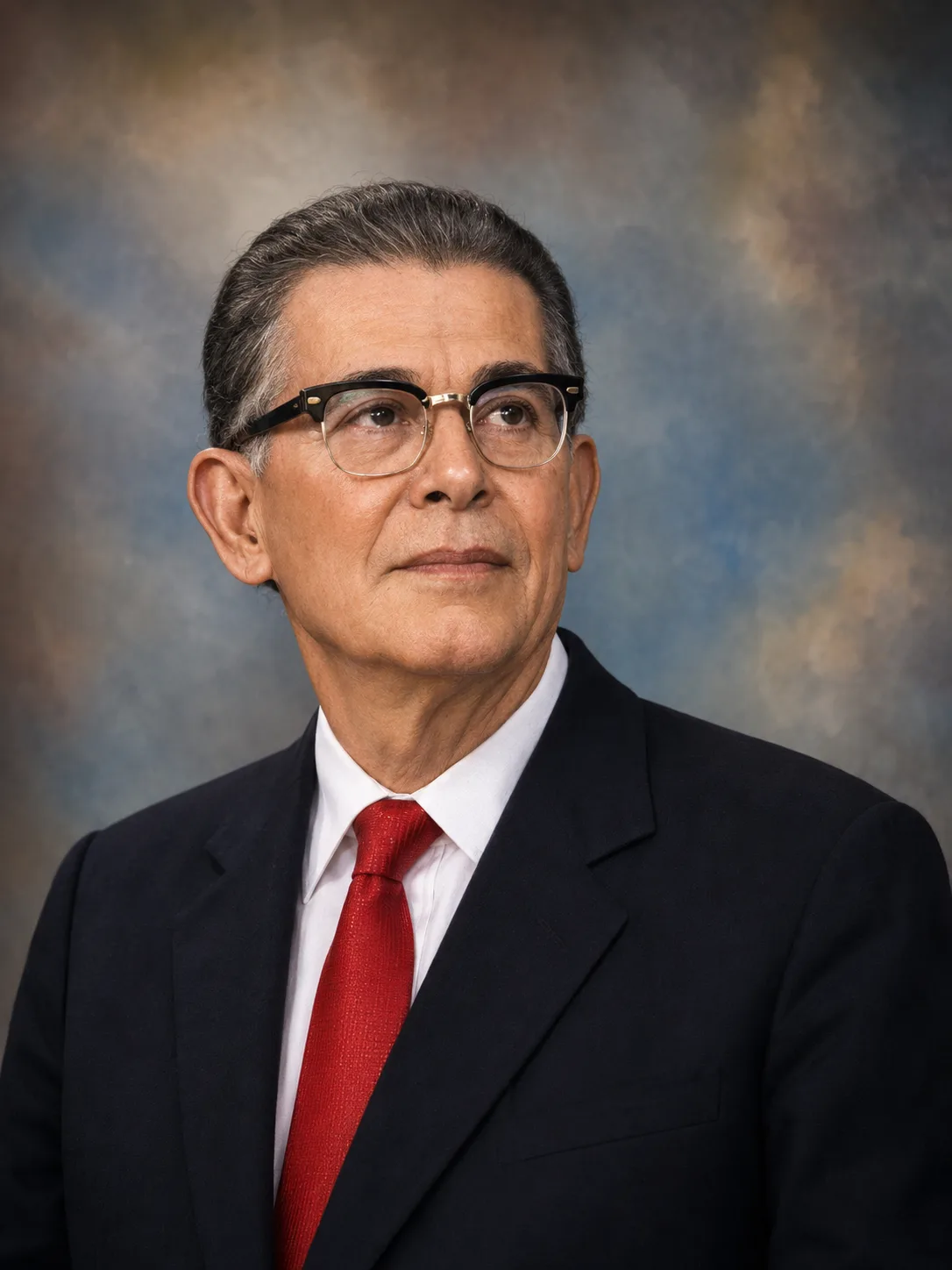 Balaguer governed from 1966 to 1978 and later returned to power in 1986.
Joaquin Balaguer and the twelve years
Balaguer combined economic growth, major public works and political control with repression and strong democratic criticism.
Joaquin Balaguer was elected in 1966 and governed for three consecutive terms until 1978. This period was marked by infrastructure investment, macroeconomic growth and a strong state presence.
At the same time, these years were criticized for repression, political violence, limits on the opposition and concentration of power. Balaguer's defeat in 1978 opened a key democratic transition.
12
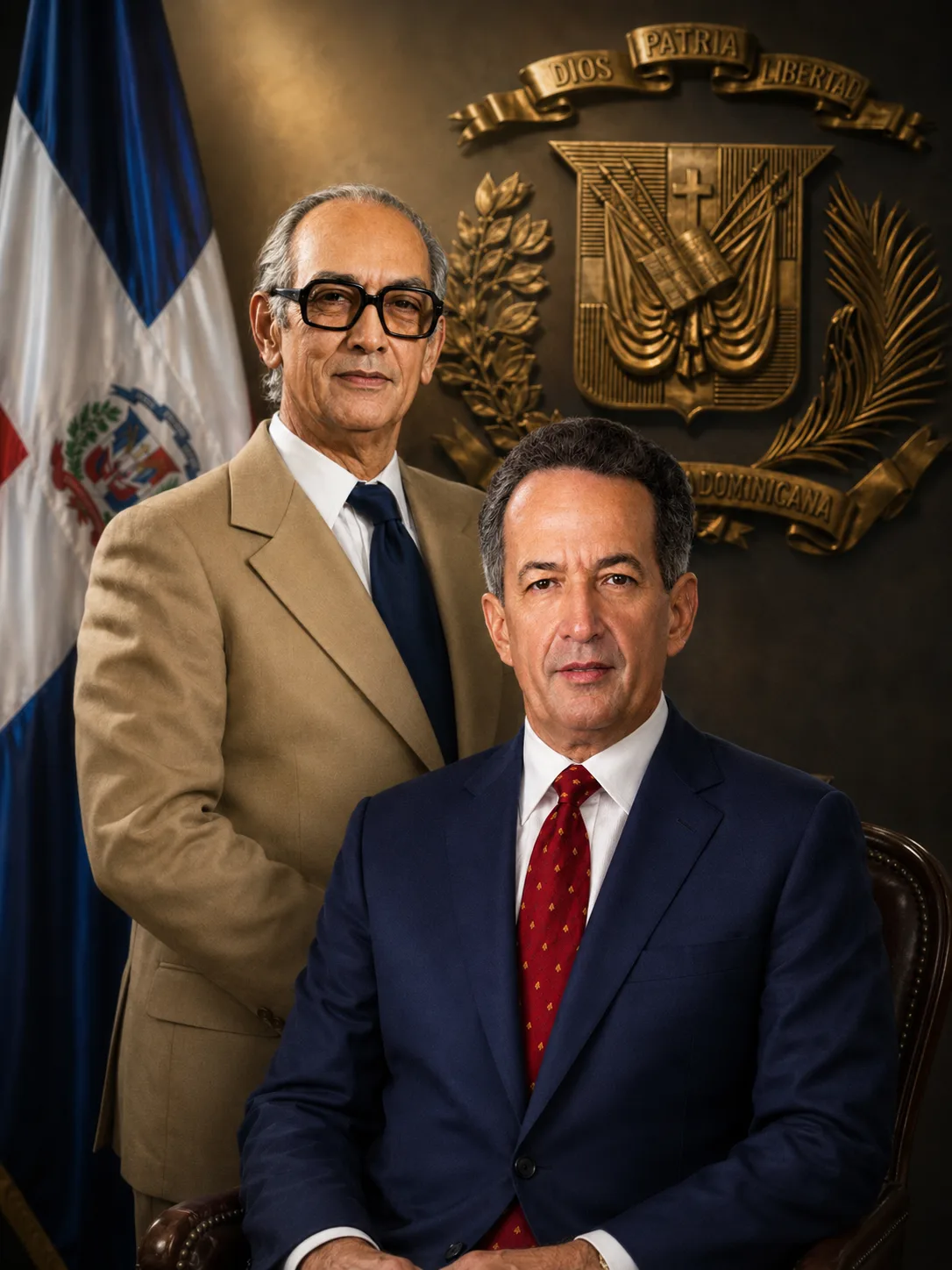 Antonio Guzman led the peaceful transition of 1978.
Guzman, Jorge Blanco and Balaguer's return
The 1978 alternation marked democratic maturation, though with economic crises and electoral tensions.
Antonio Guzman took office in 1978 in the first peaceful transfer of power between freely elected presidents in the modern era. Salvador Jorge Blanco governed from 1982 to 1986 amid economic pressure and social protests.
Balaguer returned to power in 1986 and remained until 1996. The electoral crises of 1990 and 1994 led to political reforms, a shortened presidential term and elections in 1996.
13
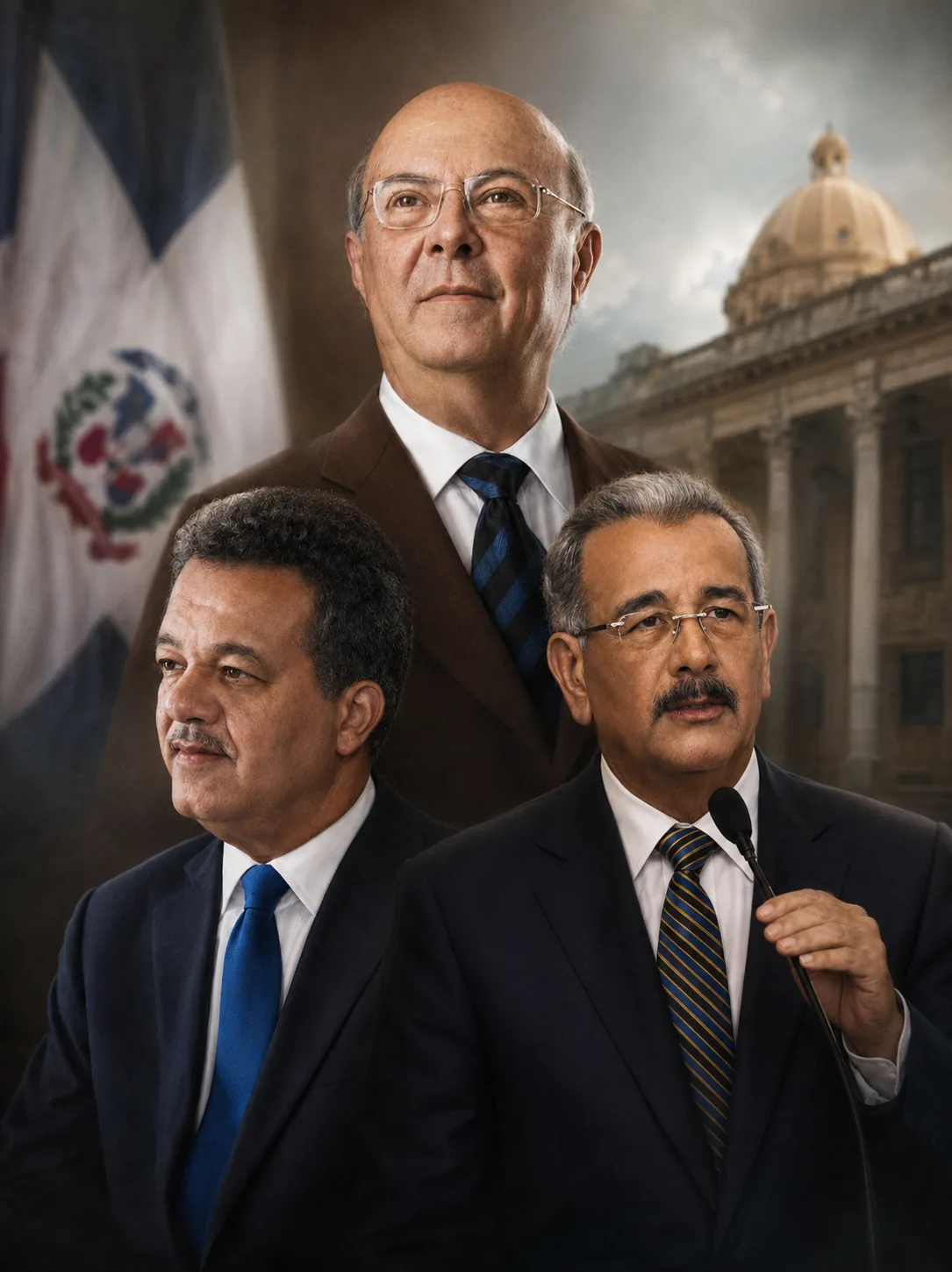 Since 1996 the country deepened its role in tourism, services, telecommunications and infrastructure.
Leonel Fernandez, Hipolito Mejia and Danilo Medina
The country moved toward a more urban, tourism-driven, financial and globally connected economy, with new social and institutional challenges.
Leonel Fernandez governed from 1996 to 2000 and from 2004 to 2012; Hipolito Mejia from 2000 to 2004; and Danilo Medina from 2012 to 2020. Together, this period accelerated urban modernization, infrastructure, telecommunications, education, services and tourism.
It was also a period of debates over debt, inequality, institutional quality, transparency, public safety, migration and sustainable growth. Dominican democracy became more competitive and media-driven.
14
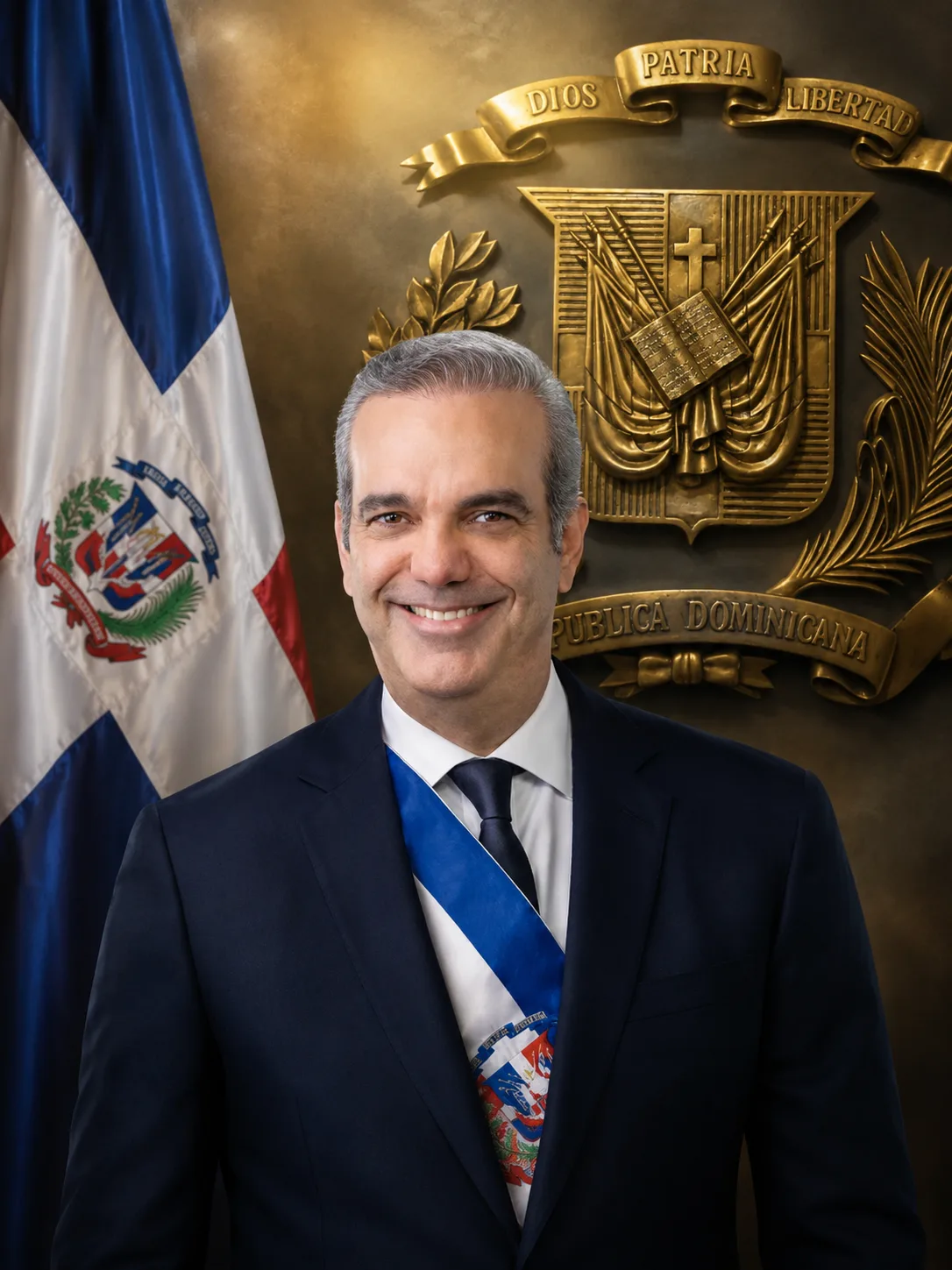 Luis Abinader has governed since 2020 and was reelected for the 2024-2028 term.
Luis Abinader: recovery, institutions and anti-corruption efforts
Luis Abinader's government has been presented as a period of economic recovery, expanded opportunity, transparency and a more visible prosecution of public corruption.
Luis Abinader assumed the Presidency in 2020 during the COVID-19 pandemic and was reelected for the 2024-2028 constitutional term. His administration has emphasized economic recovery, tourism, investment, infrastructure, public-private partnerships and state modernization.
Institutionally, his government has projected an agenda of transparency, an independent Public Ministry and a more visible fight against government corruption, opening new growth possibilities and raising public expectations for accountability.
Contemporary democracy
From the 1978 transition to the 2024-2028 constitutional term
Summary of the governments after Balaguer's twelve years.
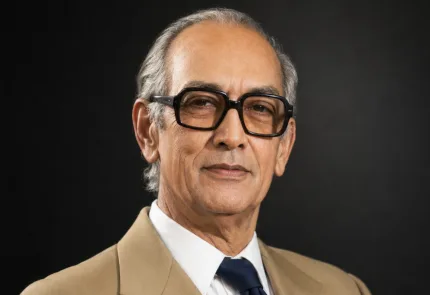
1978-1982
Antonio Guzman Fernandez
PRDHe led the democratic alternation of 1978, the starting point of a more open and competitive period.
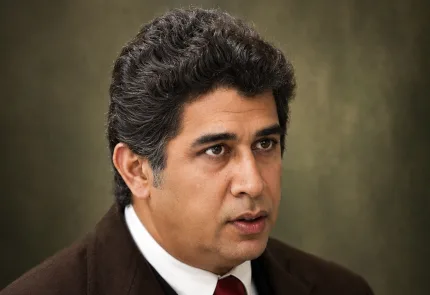
1982
Jacobo Majluta
PRDInterim president after Antonio Guzman's death, he completed the transition until Jorge Blanco took office.
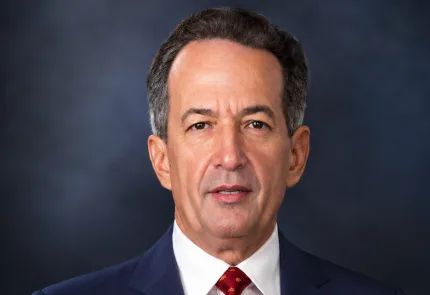
1982-1986
Salvador Jorge Blanco
PRDHe governed during a period of economic crisis, adjustments, social protests and PRD fatigue.
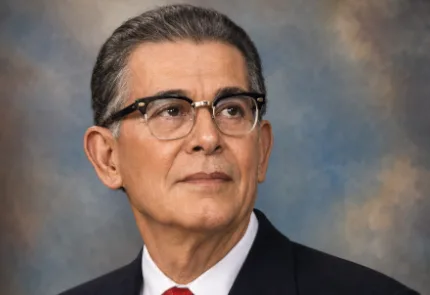
1986-1996
Joaquin Balaguer
PRSCHe returned to power with an emphasis on public works, but his final governments were marked by electoral criticism.
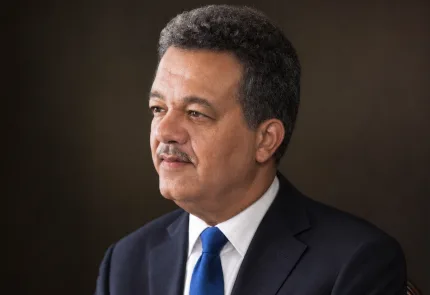
1996-2000
Leonel Fernandez
PLDThe PLD's first government promoted institutional modernization, technology, infrastructure and international openness.
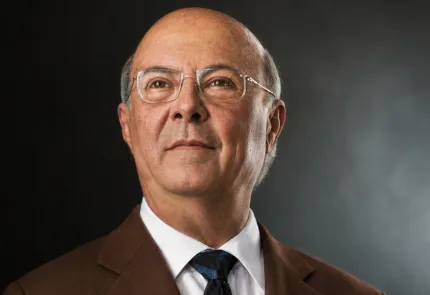
2000-2004
Hipolito Mejia
PRDHis government combined agricultural and social policies with a severe banking and economic crisis in 2003.
2004-2012
Leonel Fernandez
PLDHe returned to power with infrastructure projects, the metro, macroeconomic stability and a larger international presence.
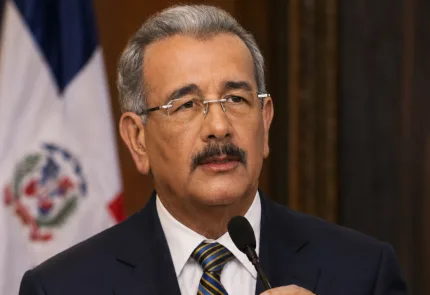
2012-2020
Danilo Medina
PLDHis period prioritized surprise visits, education, road infrastructure and social programs, alongside debates on institutions and corruption.
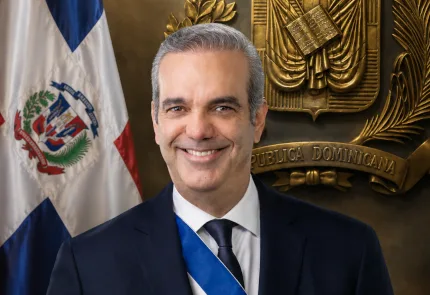
2020-2028
Luis Abinader
PRMCurrent president. His administration is associated with economic recovery, tourism, investment, transparency, an independent Public Ministry and a direct fight against government corruption.
History in video
Videos to complement the reading
Explore our history through videos showing important moments, people and places in the Dominican Republic, bringing the past closer in a more visual way.
Before 1492
The Taino in Hispaniola
Introductory video to understand Indigenous peoples and their presence in Dominican identity.
Indigenous peoples
Taino culture and Antillean legacy
Complementary material on Taino culture and its influence in the Caribbean.
1492-16th century
The colonial era in Santo Domingo
Audiovisual context about the colonial beginning and Santo Domingo's historical role.
Sources
References consulted to update this content
This page uses original editorial writing contrasted with historical, heritage and electoral reference sources.
UNESCO - Colonial City of Santo Domingo
Heritage reference on Santo Domingo as the first permanent European settlement in the New World.
Britannica - Dominican Republic
Historical and geographic overview of the Dominican Republic.
Britannica - Rafael Trujillo
Biographical reference on the Trujillo dictatorship and its historical period.
OAS - 2024 Electoral Observation Mission
Reference on the Dominican electoral process of May 2024.
Presidency of the Dominican Republic
Official government portal of President Luis Abinader, 2024-2028 term.
Acércate a RD
Learning history is also cultural tourism
The Colonial Zone, patriotic monuments, museums, historic routes and Restoration-era provinces connect national memory with real tourism experiences.